
ABOUT THE PROGRAM
OBJECTIVE
IMPACT
GET INVOLVED
In a world rapidly shaped by artificial intelligence and emerging technologies, traditional teaching methods are no longer enough. To truly prepare learners for the future, education must evolve, and so must the way we teach STEM.
At the heart of this transformation is a pedagogical framework that bridges innovation with instruction. By integrating hands-on learning, real-world problem-solving, ethical AI exploration, and student-centered design, this framework empowers educators to deliver deeper, more meaningful STEM experiences. It’s not just about teaching concepts, it’s about igniting curiosity, building skills, and developing the next generation of critical thinkers, creators, and responsible AI leaders.
Whether in classrooms, coding labs, or virtual simulations, this approach redefines excellence, not as memorization, but as mastery, mindset, and mission.

Moving beyond lectures to game-based learning and real-time AI feedback, teachers are now facilitators of interactive, personalized STEM education.

Teachers create their own educational games aligned with curriculum goals, using the framework as a creative and adaptive tool.

The framework ensures inclusivity, making learning accessible and culturally relevant for underrepresented learners.

Encourages collaboration, critical thinking, and innovation through play-based STEM challenges rooted in real-world contexts.
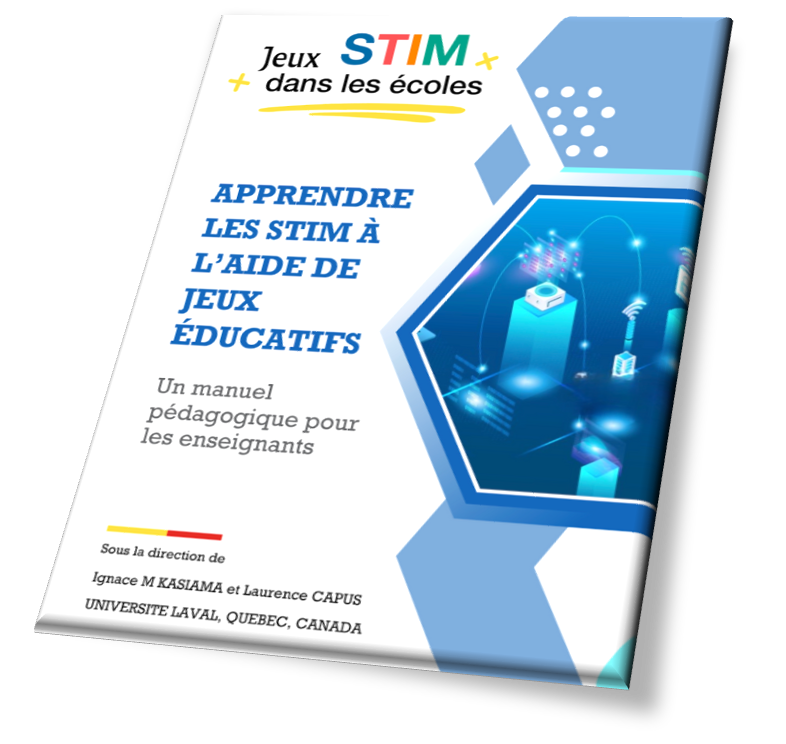
STEM & AI Teaching Excellence is a professional development program for educators seeking to master the integration of Science, Technology, Engineering, Mathematics (STEM), and Artificial Intelligence (AI) into their teaching practices. The program empowers teachers to deliver innovative, inclusive, and future-ready learning experiences that prepare students for the digital age.
Priority Target Audiences for Training
To ensure a successful and impactful implementation of the Pedagogical Conceptual Framework for STEM through Digital Games, the following key stakeholder groups have been identified as priority targets for training and capacity building:
(Pedagogical Centers, Teacher Training Institutes)
These institutions are responsible for equipping teacher trainers with up-to-date pedagogical strategies, digital teaching tools, and content knowledge in STEM and AI. Their role is foundational in cascading professional development to frontline educators and ensuring consistency in teaching quality across regions. They also play a critical role in integrating new educational frameworks, such as game-based learning and contextualized AI, into national teacher training curricula.
(Science, Technology, Mathematics, Computer Science Educators)
These are the frontline implementers of STEM and AI education. They directly engage students in classrooms and are essential in transforming theoretical pedagogical models into practice. Their participation in training, co-design of educational games, and feedback mechanisms ensures that innovations are relevant, effective, and responsive to classroom realities. Empowering these teachers with digital tools and updated methodologies enhances both teaching quality and student outcomes.
(Principals, Inspectors, Pedagogical Advisors)
Administrators play a leadership role in creating enabling environments for innovation in schools. They oversee the integration of new teaching models, manage professional development schedules, and ensure curriculum alignment. Their support is vital for scaling educational technology, allocating resources, and encouraging a culture of experimentation and continuous improvement in pedagogy.
These professionals design digital learning experiences that blend curriculum content with engaging gameplay. They collaborate with educators and pedagogical experts to ensure games are aligned with learning goals and accessible to diverse learners. In the context of STEM and AI education, they are instrumental in translating complex concepts into interactive, meaningful, and culturally relevant simulations.
This group provides national leadership, policy direction, and funding frameworks for educational reform. Their endorsement is crucial for institutionalizing innovative practices, updating curricula, and ensuring that teacher training and EdTech initiatives are sustainable and equitably distributed. They also ensure alignment with national development strategies and international education goals.
(Startups, Educational Incubators, Technology Hubs)
These are the drivers of grassroots innovation in the education sector. They prototype new tools, platforms, and content often with agility and a deep understanding of local challenges. Their collaboration with schools and governments helps tailor solutions to specific needs, accelerate digital transformation, and support local economic development. Incubators also offer mentorship and funding to promising EdTech entrepreneurs and foster ecosystems where education and technology intersect.